
Rhode Island Bridge Retrofits with LED
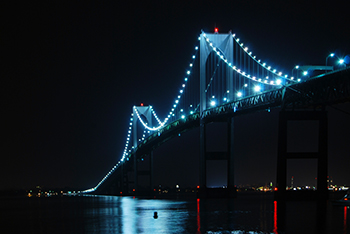 NEWPORT, R.I. — The Claiborne Pell Bridge, known commonly as the Newport Bridge, in Newport recently retrofitted its antiquated lighting systems with state-of-the-art, high efficiency LED lighting.

NEWPORT, R.I. — The Claiborne Pell Bridge, known commonly as the Newport Bridge, in Newport recently retrofitted its antiquated lighting systems with state-of-the-art, high efficiency LED lighting.
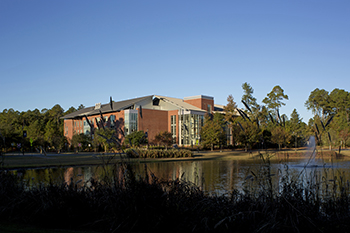 ATLANTA — Georgia Southern University’s new 151,000-square-foot Biological Sciences Building was recently awarded LEED Gold certification by the U.S. Green Building Council (USGBC) and verified by the Green Building Certification Institute (GBCI).
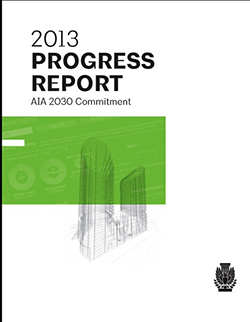 WASHINGTON — The number of projects meeting a carbon reduction goal set by the American Institute of Architects (AIA) has surged 200 percent over the last two years, according to a new report from the AIA.
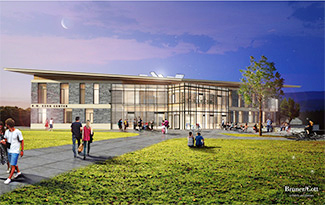 AMHERST, Mass. — A groundbreaking ceremony will be held Nov. 14 for Hampshire College’s new R.W. Kern Center.
ST. JOSEPH, Mo. — Missouri Western State University is partnering with Andover, Mass.-based Schneider Electric to help the institution save nearly $400,000 in energy costs over 15 years. The university expects an additional $400,000 in utility incentives will help offset campus-wide upgrades across its building, lighting, water and mechanical systems.
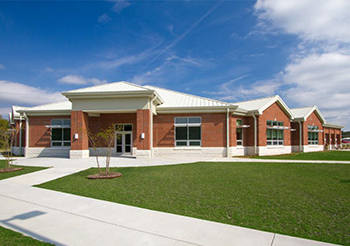 CHARLOTTE, N.C. — The French Creek Mess Hall at Marine Corps Base Camp Lejeune is the military’s first LEED Platinum-certified dining facility.
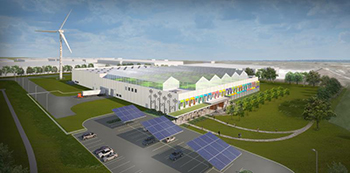 CHICAGO — Planning is under way for the world’s largest rooftop farm that is being built in a south Chicago neighborhood.
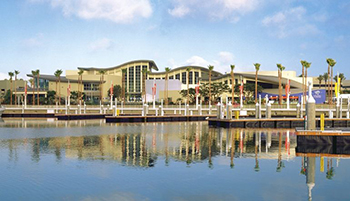 LONG BEACH, Calif. — At the Aquarium of the Pacific in Long Beach, sustainability is part of workplace culture. That’s why it was recently voted Best Green Company to Work For by the Los Angeles Daily News.
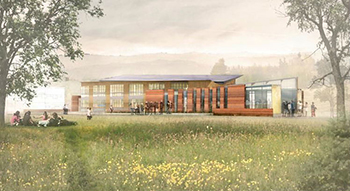 BASALT, Colo. — The Rocky Mountain Institute (RMI) broke ground Oct. 15 on its new Innovation Center based in Basalt.
 In commercial buildings, energy efficiency is the simplest and most cost-effective way to reduce energy use and greenhouse gas emissions, according to the North American Insulation Manufacturers Association. The association notes that insulation currently in place in U.S. buildings reduces the amount of carbon dioxide by 780 million tons each year.