
Lexus Training Center Awarded LEED Platinum
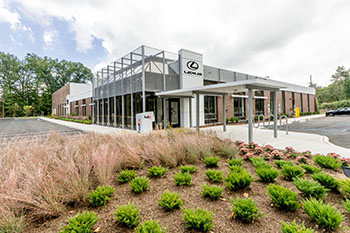 Parsippany, N.J. — At Lexus’ eastern training facility in Parsippany, an old warehouse has been transformed into a state-of-the-art sustainable space.

Parsippany, N.J. — At Lexus’ eastern training facility in Parsippany, an old warehouse has been transformed into a state-of-the-art sustainable space.
 DENTON, Texas — After three years of research, experts at the University of North Texas (UNT) believe they have found a plant-based material that is cost-efficient to manufacture and capable of significantly reducing energy consumption.
 In this era of sustainable building practices and environmental conservation, the selection of roofing system for low-slope commercial buildings is often overlooked and undervalued.
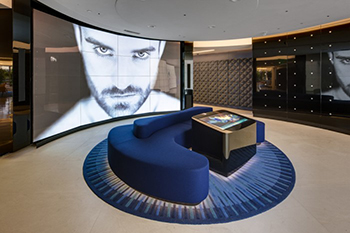 EL SEGUNDO, Calif. — When DirecTV launched a massive renovation project in 2011 for its headquarters in El Segundo, the satellite television provider aimed high to give employees a more sustainable and functional workplace.
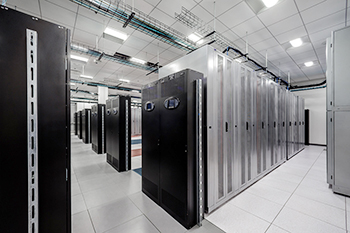 LAKE FOREST, Ill. — An advanced cooling system has helped Grainger’s new data center achieve LEED v4 Gold certification, a first for this type of facility.
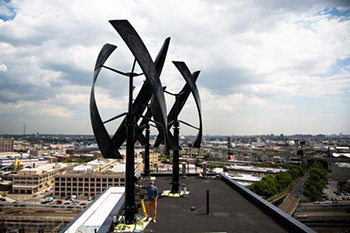 NEW YORK — For enterprises that prefer to have full control of every aspect of their operational investments, onsite energy is a very appealing option.
 EUGENE, Ore. — Clean water is essential to beer making. That’s why it was important to Ninkasi Brewing Company in Eugene to install a hybrid green roof system that would improve the quality of water in the areas surrounding the brewery.
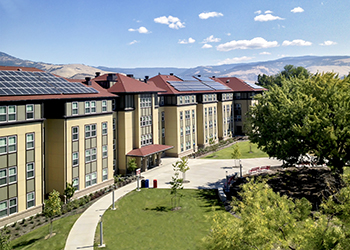 ASHLAND, Ore. — Southern Oregon University (SOU) is taking part in Chevrolet’s carbon-reduction initiative. The school is selling carbon credits for the new LEED certified Raider Village residence halls to the car manufacturer for one year.
While Chevy gets bragging rights for its eco-friendly initiatives, SOU gets money to reduce its campus carbon footprint.
 More businesses and facilities are focusing on how they can operate in a greener and more sustainable manner. But now many, large and small, are taking that a step further. They want to ensure that the companies they do business with are also operating in a more environmentally responsible and sustainable manner.
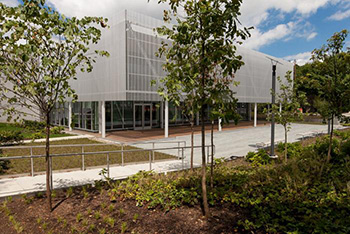 CARLISLE, Pa. — Opened this month, the renovation and expansion at Dickinson College’s Kline Center in Carlisle offers students an athletic center that combines fitness amenities with sustainable architecture.