

Ohio Schools Closer to Completion on Solar Energy Project
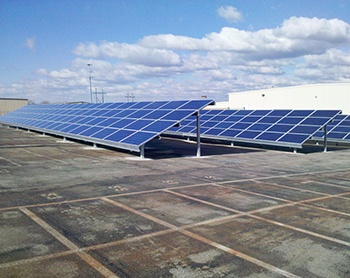 TIPP CITY, Ohio — Adams County Ohio Valley School District will soon harvest much of its electricity from the sun as part of an energy conservation project it has undertaken with Energy Optimizers, USA.
 SALT LAKE CITY — Salt Lake City lawmakers and city leaders honored in mid-July the winners of the Project Skyline Mayor’s Challenge 2015 Awards.
 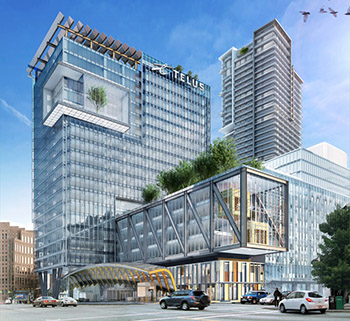 VANCOUVER, British Columbia — TELUS Garden, a mixed-use, partnership office building in Vancouver, has issued $225 million in green mortgage bonds. It’s the first time in North America that green mortgage bonds have been used to support real estate financing.
  ATLANTA — Atlanta’s new Falcons Stadium is two years away from completion, but already it’s becoming known for its sustainable efforts.
 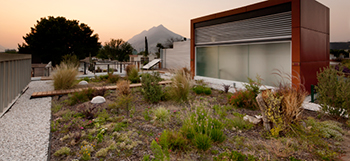 WASHINGTON — The U.S. Green Building Council (USGBC) in Washington announced that Bioconstruccion y Energia Alternativea (BEA) is the most recent winner of the USGBC’s LEED Earth campaign.
 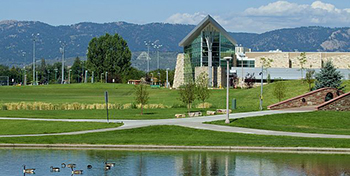 PHILADELPHIA — BestColleges.com, using data from the Association for the Advancement of Sustainability in Higher Education (AASHE) based in Philadelphia, revealed the 50 “greenest” U.S. colleges and universities. Colorado State University (CSU) in Fort Collins, Colo., was ranked No. 1.
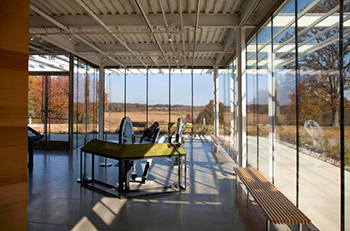 MANALAPAN, N.J. — The New Jersey chapter of the American Institute of Architects (AIA-NJ) recognized ikon.5 Architects with an Honor Award in the Built Open category for its design of the new visitor center at the Monmouth Battlefield State Park in Manalapan.
 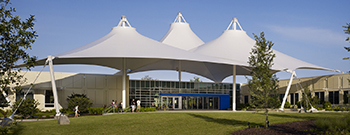 ST. PETERSBURG, Fla. — The James Center for Molecular and Life Sciences in St. Petersburg at Eckerd College was certified as LEED Platinum, the school confirmed on July 1.
  WASHINGTON — The U.S. Green Building Council (USGBC) announced June 29 that Rick Fedrizzi, the founder of USGBC and CEO since 2003, will not seek renewal of his contract as USGBC’s CEO at the end of 2016, paving the way for an organizational leadership transition in 2017.
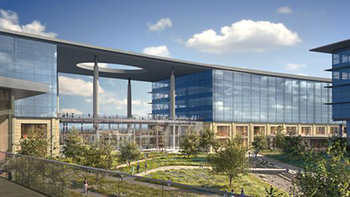 PLANO, Texas — Toyota Motor North America has unveiled architectural renderings of its future North American headquarters, providing new details of the site layout and exterior design of its environmentally sensitive corporate campus.