
Maplewood School Energizes Education
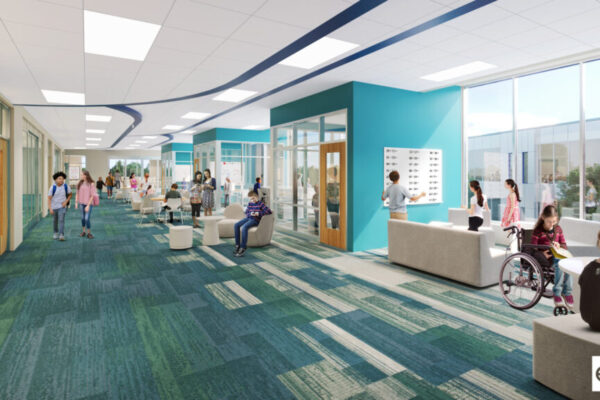
The all-electric, zero-net energy Maplewood School in Menasha, Wis., won’t welcome its first students until the fall, but is already setting a new standard for sustainability.
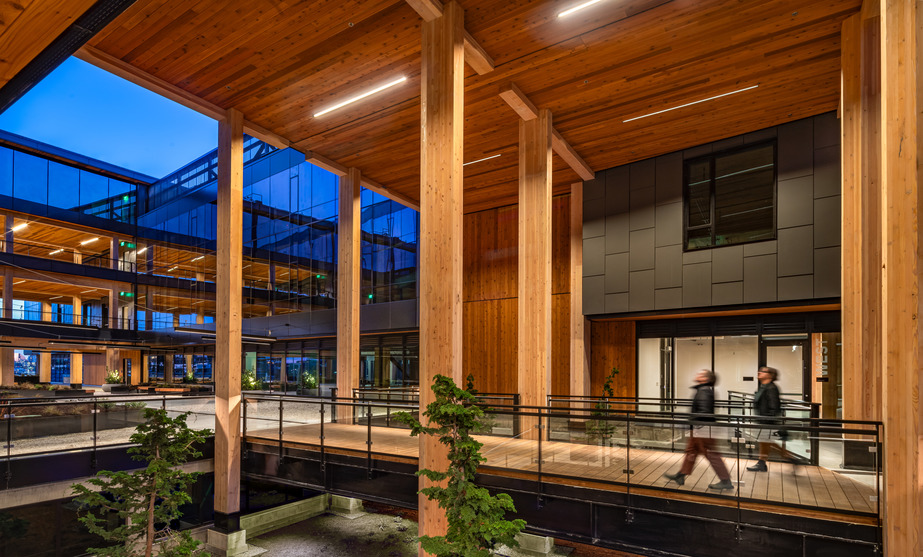
As mass timber use continues to proliferate across building sectors in the U.S. and globally, U.S. senators from both sides of the political aisle have joined forces to promote the sustainable, biophilic natural resource.
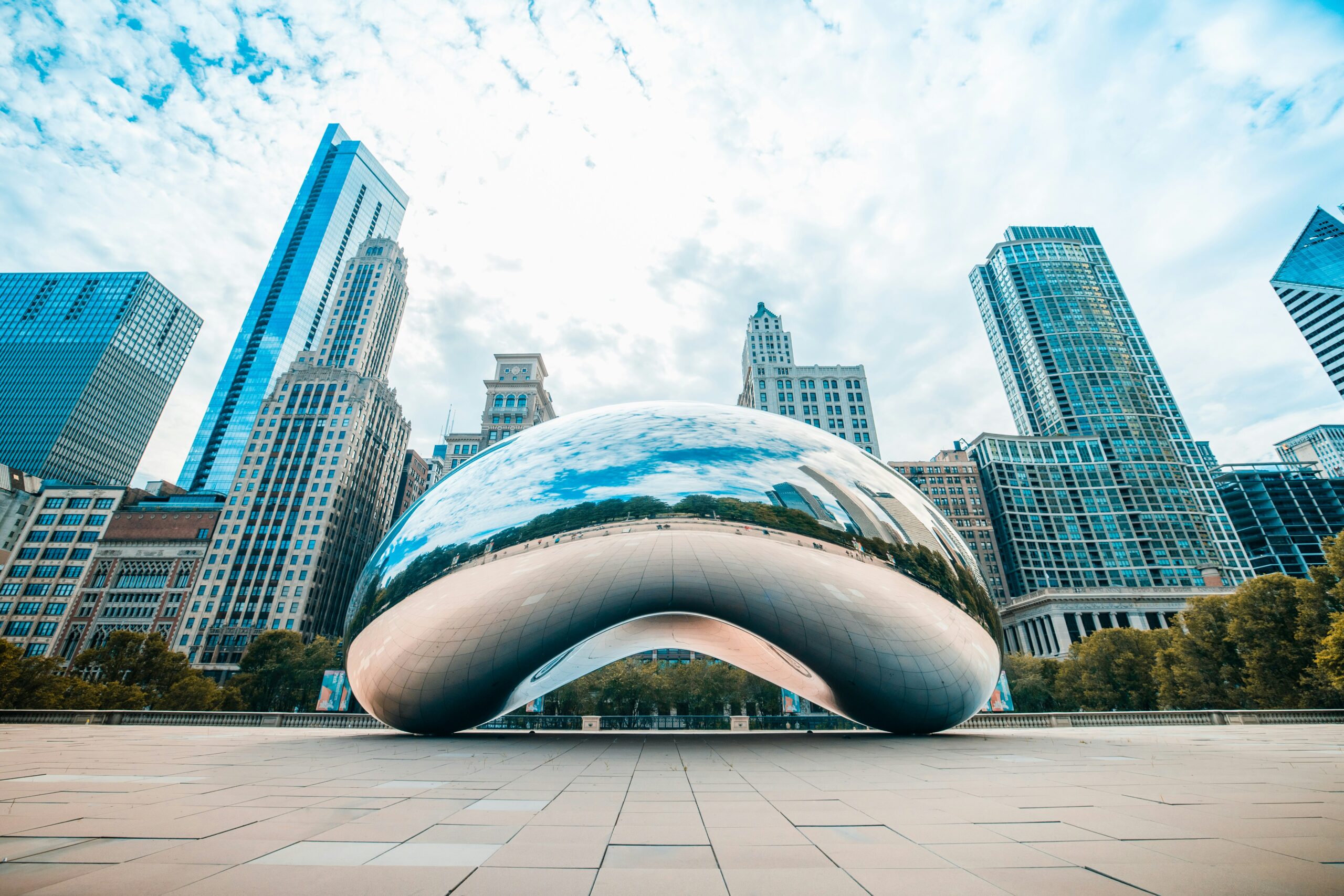
Chicago Mayor Brandon Johnson, alongside the Chicago Housing Department, recently introduced the green social housing (GSH) enabling ordinance to the Chicago City Court, the latest step taken thus far in the pursuit of GSH development.
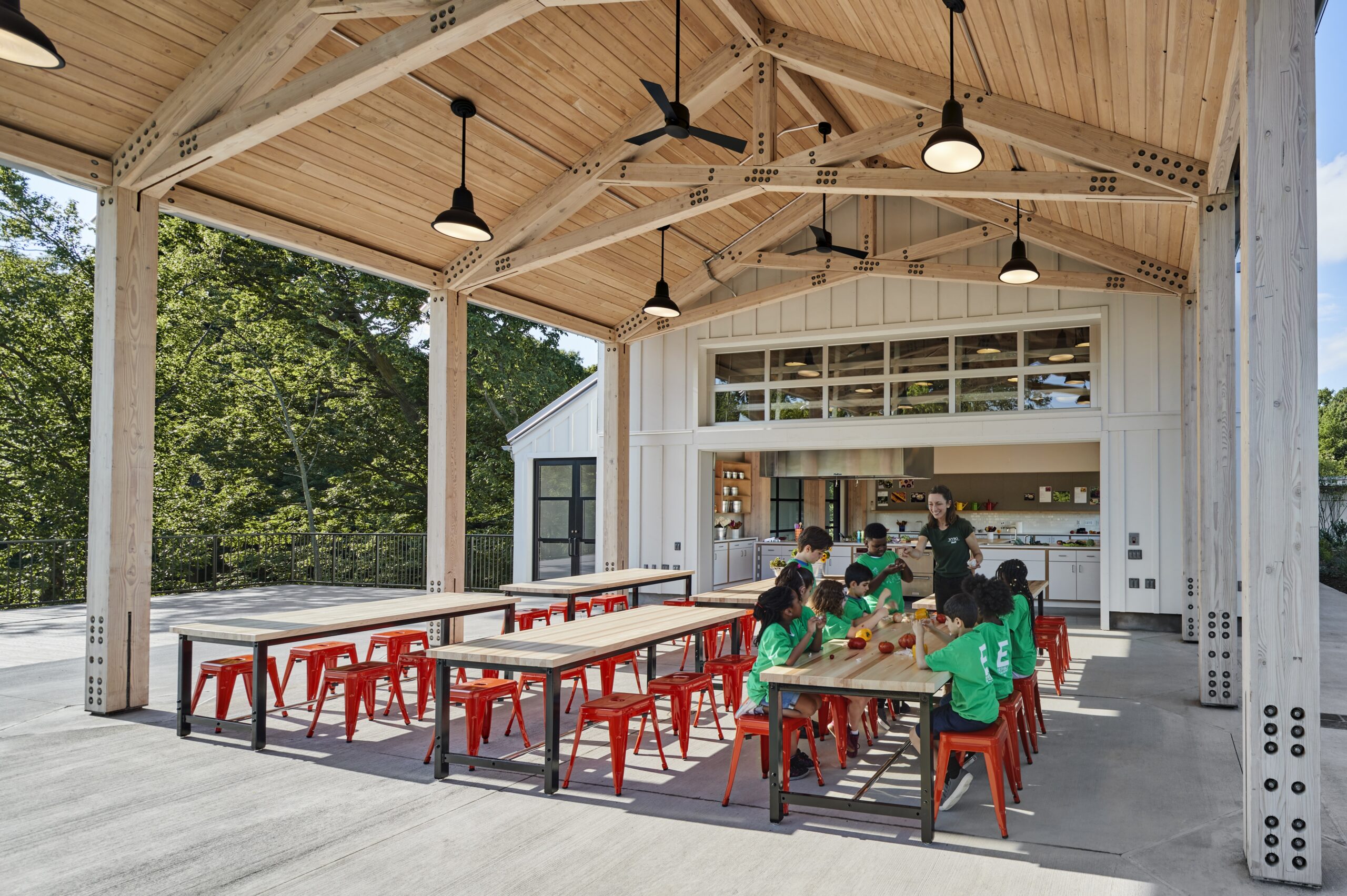
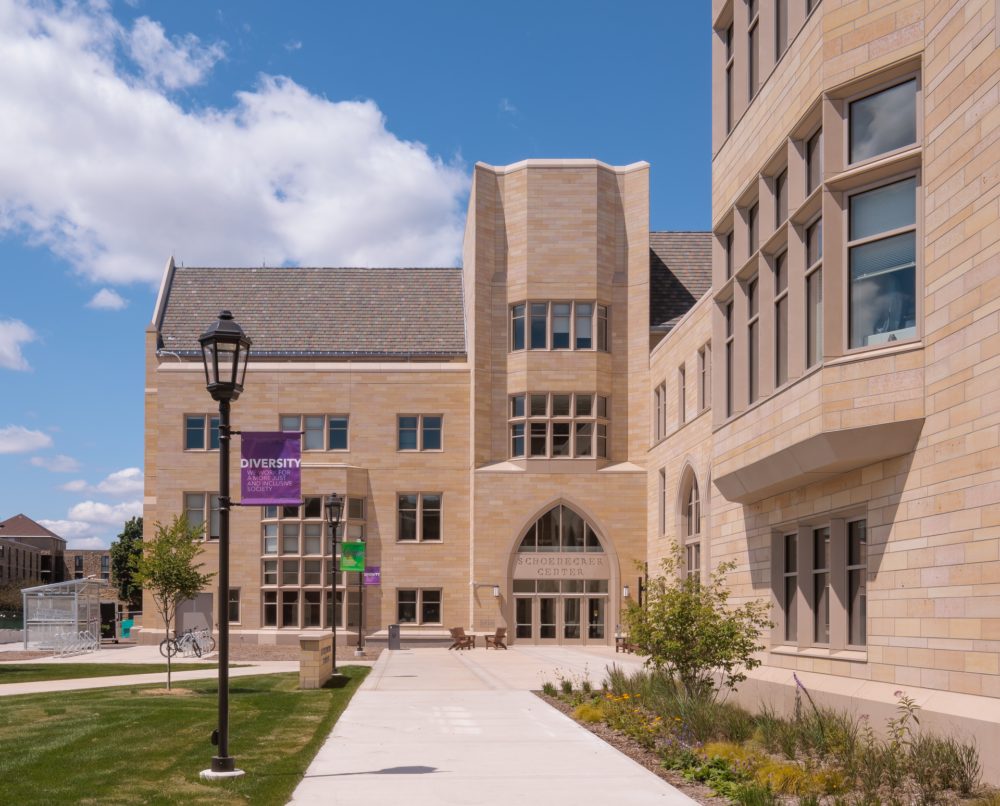
As architects and designers learn more about the impact of the built environment on occupant wellbeing, aspects of biophilic design are ever more thoughtfully and intentionally integrated into learning spaces.
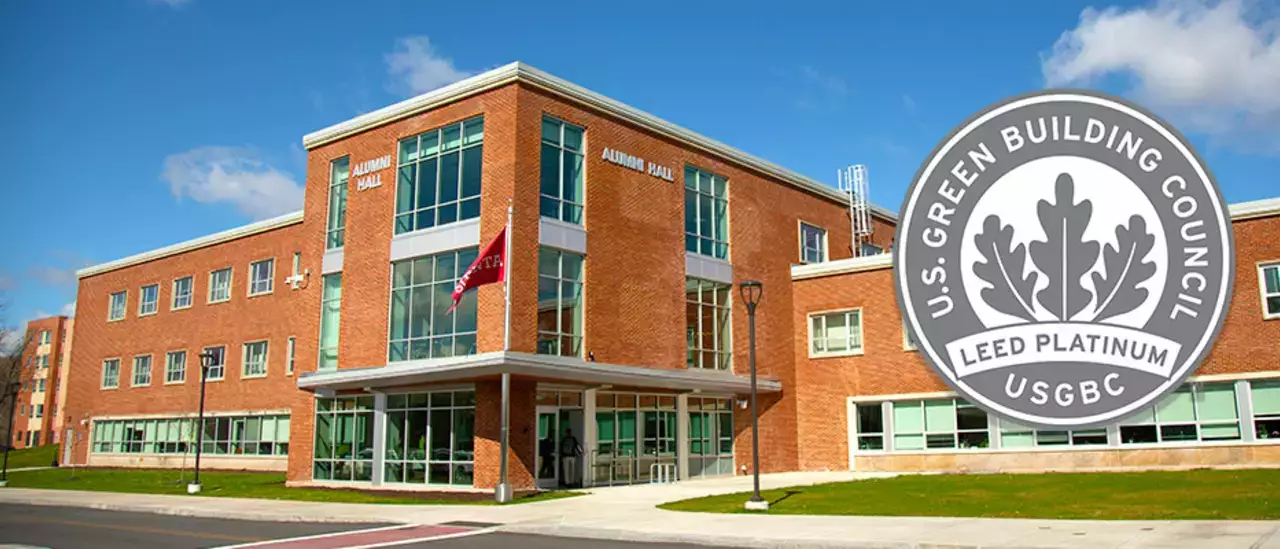
The State University of New York Oneonta (SUNY Oneonta) campus is a model of sustainability in action. The university has amassed numerous green accolades over the years, and over the past decade has doubled down on reducing its environmental impact.
New research shows that exterior green design, such as plant-covered facades, can boost biodiversity and regulate temperature.
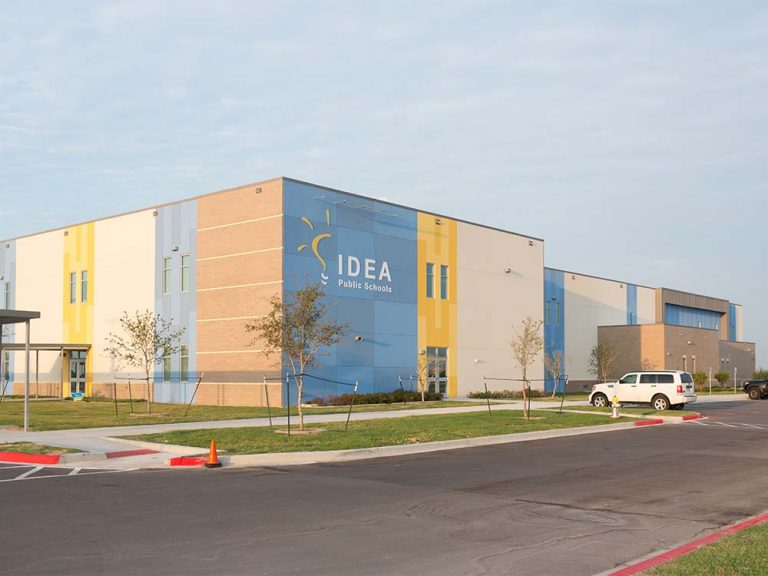
2024 was a big year for Texas’ IDEA Public Schools. Three IDEA campuses—IDEA Elsa, IDEA Rio Grande City and IDEA Edgemere—earned the prestigious ENERGY STAR certification from the U.S. Environmental Protection Agency (EPA), recognizing superior energy performance and commitment to sustainability.
As architects and construction professionals look to 2025, the year’s most exciting industry trend might just be…wood. More specifically, engineered wood products and mass timber are opening new doors and design possibilities, allowing forward-thinking project teams to build more efficiently and sustainably across a number of verticals.
The Covid-19 pandemic changed the way many people in the United States work, shifting numerous companies to remote and hybrid operations and—for a time—pushing commercial real estate vacancies (specifically office buildings) to nearly 20% at the end of 2023. However, as companies begin to rebalance hybrid work and bring more operations back to the office, the U.S. Green Building Council (USGBC) reports that interest in its LEED for Operations and Maintenance (O+M) certification has increased significantly.